
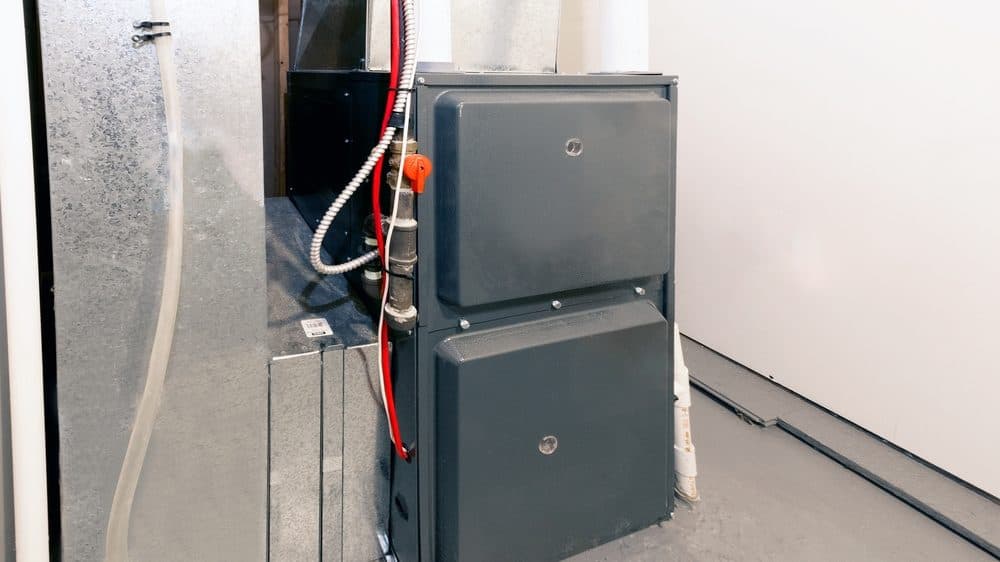
Every furnace sound maps to a cause, and the sound itself tells you how urgent it is. Banging means delayed ignition and warrants shutting the system off. Shrieking and scraping point to motor and blower problems worth a prompt call. Whistling is usually just a clogged filter. Popping is often ductwork expanding. When in doubt, turn the furnace off and have the noise diagnosed.
On this page:
What Furnace Noises Mean
The 7 Loud Furnace Sounds
Three More Sounds Worth Knowing
The Urgency Triage Table
The Scariest Problems Are Silent
FAQs
A healthy furnace isn't silent. There's a soft whoosh at ignition, gentle airflow through the vents, and the low hum of a blower doing its job.
What a healthy furnace doesn't do is bang, shriek, or scrape. When a new sound cuts through the house, your heating system is describing its problem out loud. Here's how to translate.
Why Is My Furnace Making Loud Noises?
Loud furnace noises come from a short list of mechanical realities: gas igniting late, metal rubbing metal, parts vibrating loose, or air forcing its way through spaces too small for it.
Each produces a distinct sound, which is good news. It means your ears can do the first round of diagnosis before anyone opens the cabinet. The seven sounds below cover nearly every loud-furnace call we run in Northern Virginia, and each entry tells you the cause, the urgency, and the honest line between what you can check and what a technician should handle.
Banging Sounds
What it sounds like: a small boom or bang a few seconds after the furnace tries to start, sometimes strong enough to rattle nearby ducts.
What it means: delayed ignition. Gas builds up in the combustion chamber because the burners don't light immediately, and when ignition finally happens, the accumulated gas ignites all at once: a miniature explosion inside your furnace. Dirty burners, gas pressure problems, or a weak ignition system are the usual reasons the light-off comes late.
How urgent: this is the shut-it-down sound. Those repeated mini explosions crack heat exchangers, and a cracked heat exchanger is how carbon monoxide reaches living space. Turn the system off and schedule furnace repair promptly rather than letting it bang through the season.
One caveat: a single soft pop from the ductwork as heat kicks on is a different, harmless thing. See the popping section below for how to tell them apart.
Shrieking Noises
What it sounds like: a high-pitched squeal or shriek that starts with the blower and often worsens as the system runs.
What it means: motor trouble. On older furnaces, a worn or slipping blower belt is the classic cause. On newer ones, it's usually failing motor bearings crying for lubrication or replacement.
How urgent: call soon. A shrieking furnace still heats, but belts snap and dry bearings seize, and either one turns a modest repair into a no-heat night. Belt and bearing work involves the blower assembly, which makes it a technician job.
Scraping Sounds
What it sounds like: metal dragging on metal, like a lid scraping across a pan.
What it means: something in the blower has physically shifted. Worn ball bearings, or a blower wheel that has come loose on its shaft and is cutting into the housing.
How urgent: shut it down. Every minute of metal-on-metal contact grinds away at parts that are expensive to replace, and a loose wheel can destroy the housing around it. Turn the furnace off and call before running it again.
Buzzing and Rumbling Noises
What it sounds like: a vibration you can feel as much as hear: buzzing at the cabinet, or a low rumble that continues after the burners shut off.
What it means: buzzing usually traces to loose panels, mounting hardware, or an electrical component like a failing transformer or capacitor. Rumbling after shutdown deserves more respect, because it can mean fuel continuing to burn in the chamber or burners fouled enough to burn unevenly.
How urgent: a buzz that stops when you press gently on a panel is a loose screw. A rumble that persists after the cycle ends is a call-today problem. An electrical buzz with a hot or burning smell is a shut-it-down problem.
Whistling Sounds
What it sounds like: a thin whistle from the furnace cabinet or the vents, like air forced through a straw.
What it means: starved airflow. The furnace needs a certain volume of return air, and when a clogged filter or blocked return chokes it, air whistles through whatever gaps remain. Where the whistle happens matters: at the cabinet it's usually the filter, while whistling at the ductwork joints points to duct gaps and leaks.
How urgent: the friendliest sound on this list, and the one with a genuine DIY fix. Check the filter first; if it's gray and matted, replace it and the whistle usually dies. If a fresh filter doesn't fix it, weak airflow has other causes, and our guide to low airflow from a furnace walks through them.
Popping Noises
What it sounds like: rhythmic pops or ticks, either from the ducts as heating starts and stops, or from the furnace itself at ignition.
What it means: two very different things. Duct popping is sheet metal expanding and contracting with temperature swings: annoying, harmless, and common with the first cold snap. Popping at the burners is small-scale delayed ignition from dirt or sediment on the burners, which is the early form of the banging problem above.
How urgent: duct pops are a monitor-only item. Burner pops mean the burners need cleaning before they graduate to bangs; book a service visit.
Humming Sounds
What it sounds like: the furnace's normal soft hum, but louder, harsher, or newly noticeable from rooms away.
What it means: a soft hum is just electricity doing its work. A loud or growing hum usually points to a blower motor straining or a capacitor (the component that gives motors their starting kick) on its way out.
How urgent: call soon. A straining motor and a weak capacitor both fail at the least convenient moment, and both are inexpensive to address early compared with a mid-January motor replacement.
Three More Sounds Worth Knowing
Clicking that never becomes heat. Repeated clicking at startup with no ignition means the ignition system is trying and failing: often the ignitor itself, or a flame sensor shutting things down for safety. If the burners light and then die within seconds, the sensor is the prime suspect; our guide to flame sensor failure signs covers the diagnosis.
Rattling. Start with the cheap explanation: a loose access panel or screw, which you can confirm with a gentle press. A rattle from deep in the unit that persists deserves a professional look, because vibration can also come from a failing part, and in the worst case a cracked heat exchanger. That worst case is exactly why persistent rattles shouldn't be ignored for months.
Hissing. Air hissing at duct joints is leakage, wasting heated air into the attic or crawlspace. A hiss you can trace toward the gas line is a different animal entirely: leave the house and call your gas utility from outside, then call for service.
The Urgency Triage Table
Sound | Likely cause | Your move |
Banging | Delayed ignition | Shut off now, call |
Scraping | Loose blower wheel / bearings | Shut off now, call |
Hissing near gas line | Possible gas leak | Leave, call utility from outside |
Rumbling after shutdown | Fuel burning after cycle | Call today |
Shrieking | Belt or bearings | Call soon |
Loud humming | Blower motor / capacitor | Call soon |
Clicking, no ignition | Ignitor or flame sensor | Call soon |
Whistling | Clogged filter / airflow | DIY: replace filter |
Buzzing panel | Loose hardware | DIY: snug the panel |
Duct popping | Metal expansion | Monitor only |
Hearing one of the shut-it-down sounds on a cold night? Don't wait for business hours with a banging or scraping furnace — that's what our emergency team is for. Snell runs 24/7 emergency heating service 365 days a year with no overtime charges: the same rate on a Sunday night as a Tuesday morning, and an upfront, to-the-penny quote before any repair begins. Call 703-543-9649.
The Scariest Furnace Problems Can Be Silent
Every sound in this article at least announces itself. The most dangerous furnace problem doesn't.
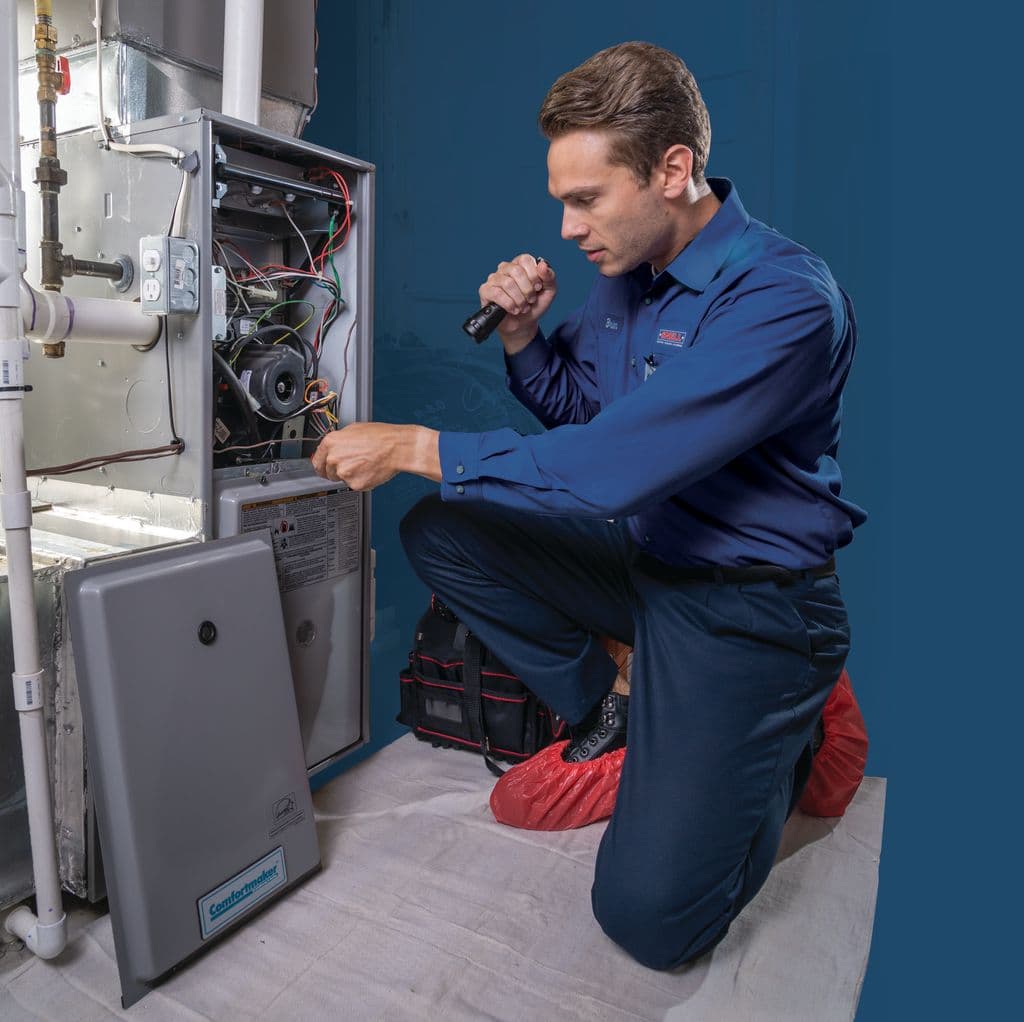
A cracked heat exchanger or incomplete combustion can release carbon monoxide without a single audible clue, which is why every home with a gas furnace needs working CO detectors on every level, tested twice a year. And it's why the annual furnace tune-up earns its keep: a technician inspects the heat exchanger, cleans the burners, and checks combustion, catching the silent problems and most of the noisy ones on this list while they're still small.
Fall is the right time, before the first cold week fills every schedule in Northern Virginia.
Furnace Repair & Installation Services From Snell
Whether your furnace is banging, shrieking, or just sounding older than it used to, Snell Heating & Air has been Northern Virginia's answer since 1972: more than 50 years serving Arlington, Alexandria, Fairfax, Ashburn, Reston, Sterling, and the surrounding communities.
Every job gets upfront, to-the-penny pricing with no hidden charges, our "On Time Or It's Free" promise, a No Lemon guarantee, 24/7 availability with no overtime rates, and financing options on major repairs. Call 703-543-9649 or book furnace repair in Northern Virginia online today.
Frequently Asked Questions
Why is my furnace making a loud banging noise?
Banging almost always means delayed ignition: gas accumulates because the burners light late, then ignites all at once in a small contained explosion. Dirty burners and ignition problems are the usual causes. Shut the furnace off and have it repaired, because repeated bangs can crack the heat exchanger.
Is a loud furnace dangerous?
It depends on the sound. Banging, scraping, rumbling after shutdown, and any gas-line hiss are treat-it-now problems. Shrieking, humming, and clicking are wear items worth a prompt call. Whistling and duct popping are usually harmless. When you're not sure, turning the system off costs nothing but comfort.
Why does my furnace make noise when it first turns on?
Startup is when ignition happens and when ducts heat up, so it's the noisiest moment. A soft whoosh and some duct ticking are normal. A boom at light-off, repeated clicking without flame, or a shriek as the blower engages are not, and each points to a specific repairable cause.
Should I turn off my furnace if it's making noise?
Yes for banging, scraping, grinding, or rumbling that continues after the cycle ends, and leave the house first for any suspected gas smell or hiss. For shrieking, humming, or clicking, you can run it cautiously while you schedule service. For whistling, check the filter before anything else.
What does a bad blower motor sound like?
It progresses: a louder-than-normal hum as the motor strains, then shrieking or squealing as bearings dry out or a belt slips, then scraping or grinding once something shifts physically. The earlier in that sequence you call, the smaller the repair tends to be.
Can a noisy furnace fix itself?
No. Mechanical sounds come from physical causes: dirt on burners, wear in bearings, parts loosening. Left alone they follow one direction, from small noise to big repair. The exceptions are duct popping and filter whistling, which aren't component failures at all and have simple fixes.
Related Articles
What do you need help with today?
Heating
No heat, strange smells, rising bills? We repair and replace heating systems to keep your home reliably warm.
Air Conditioning
AC blowing warm air? Uneven cooling in your rooms? We fix cooling issues fast and keep your system running smoothly all summer.
Plumbing
Our highly trained plumbers handle it all, from leaky faucets to full system installations and repipes.
Electrical
The smartest team in town. You need repair, installations, wiring, inspections, lighting — you name it.